

 By
By 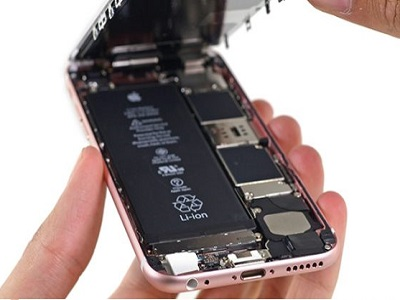
I found an old phone in a drawer last month. Hadn’t touched it in almost two days. Battery health? 84%.
That number bugged me for days, honestly. The thing had been sitting still the entire time. No charging cycles, no screen-on time, nothing. So why was it already down 16%?
Turns out, I had the wrong mental model of what “battery wear” even means. Most of us assume it’s purely about usage. How many times you charged it, how much you gamed on it, that kind of thing. But that’s only half the picture. The other half happens quietly, in the background, whether you ever pick the phone up or not.
So I went digging into the actual chemistry. Here’s what’s really going on.
Okay, So What’s Actually Happening In There
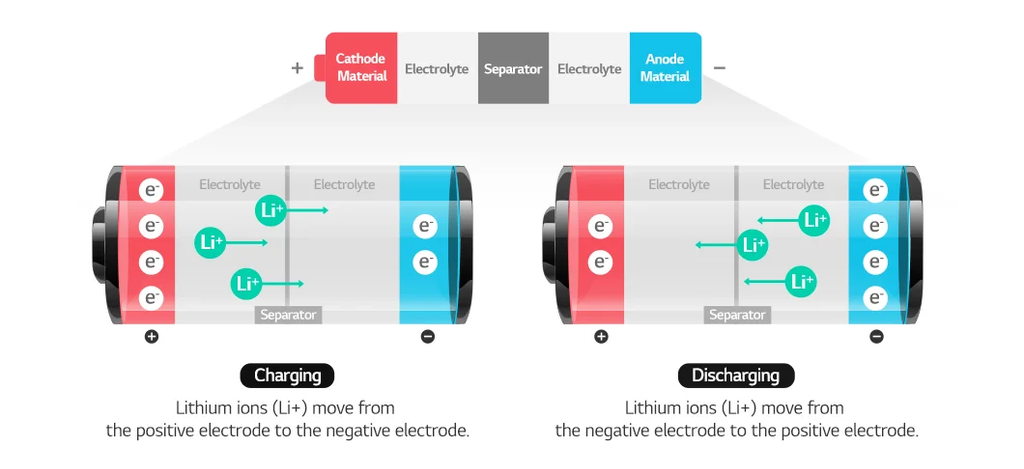
A lithium-ion battery works by shuffling ions back and forth between two electrodes. The anode (usually graphite) and the cathode (a lithium-metal-oxide, if you want the technical name).
Charge it, and ions move one way. Use it, and they drift back. Simple enough on paper.
Here’s the catch, though: every single time that happens, a tiny sliver of chemical wear occurs that never fully undoes itself. This isn’t damage from you doing something wrong. It’s just baked into how the chemistry works, period.
Do that a few thousand times, or even just leave the battery sitting at a high voltage for months on end, and you get exactly what I saw on that old phone.
Meet the SEI Layer. The Real Culprit
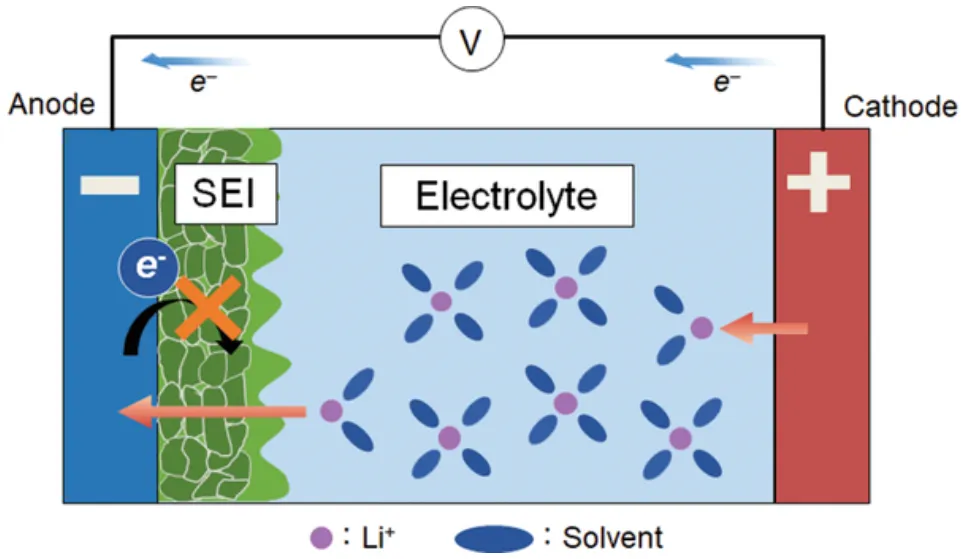
There’s a microscopic film inside every lithium battery called the Solid Electrolyte Interphase, or SEI for short. Think of it as a protective skin that forms on the anode the very first time the battery is ever charged.
And honestly, a thin SEI layer is a good thing. It keeps the electrolyte, the liquid ferrying lithium ions back and forth from reacting chaotically with the anode.
The problem is, it doesn’t stop at “thin.”
It keeps growing. Every single charge cycle deposits another microscopically thin layer on top of the last one, kind of like sediment settling at the bottom of a riverbed year after year. Give it enough time, and a few things start happening:
- Usable lithium ions get trapped inside the layer itself, permanently taken out of circulation
- Internal resistance climbs, so the battery has to work harder just to push out the same amount of power
- The layer physically thickens, which slows down ion movement this is a big part of why older phones charge and drain more slowly too
And here’s the part that surprised me most: none of this needs the phone to be on. It happens in standby. It happens in a drawer. Chemistry doesn’t check whether you’re using the thing.
It’s Basically Rust, But for Batteries
There’s a broader category of background chemistry that engineers call parasitic reactions. The unwanted side reactions between the electrolyte and the electrodes that quietly consume active material without giving you anything back for it.
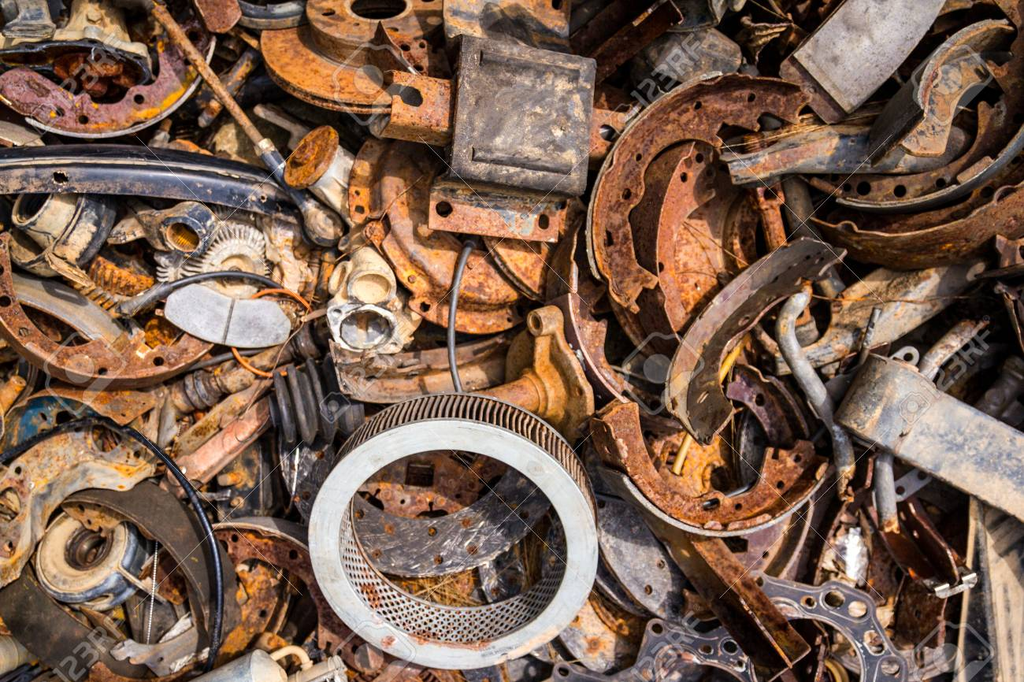
The comparison that finally made this click for me: it’s rust on a car you never drive. You didn’t cause that rust by driving too much. It happened simply because metal was sitting there, exposed to oxygen and moisture, doing nothing.
For a battery, the equivalent of “moisture” is heat and voltage. Crank either one up, and the parasitic reactions speed up right along with it completely separate from whether you’ve actually used your phone that week.
The 100% vs. 0% Question Everyone Gets Wrong
This is the bit most articles either skip or oversimplify, so let’s actually sit with it.
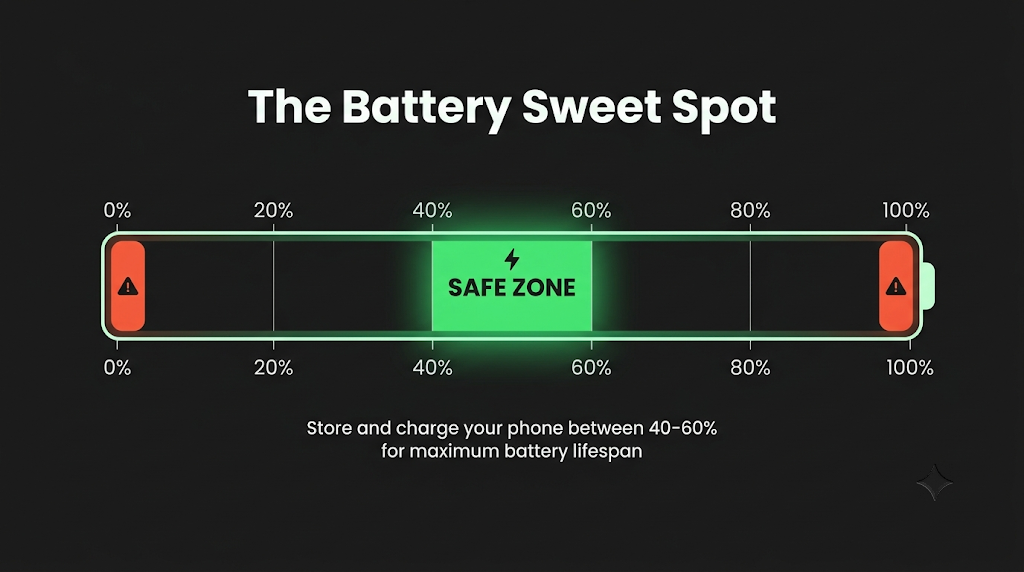
Leave your battery at 100%, and the electrodes are under maximum electrical stress. The cathode sits in its most chemically unstable state, and the anode is as densely packed with lithium as it’ll ever get. That’s precisely the condition that speeds up SEI growth and those parasitic reactions we just talked about. If I had to rank the accelerants of long-term degradation, high voltage would be at the top ahead of heat, ahead of fast charging.
Leave it at 0%, and you’d think that’s the safe zone. It’s arguably not. At very low charge, the anode’s copper current collector becomes vulnerable to corrosion, and in extreme cases, draining too far can cause irreversible capacity loss or even a short-circuit risk.
So where’s the actual sweet spot? Somewhere around 40–60%. That’s not a random number I picked either it’s why laptops, EVs, and even phones sitting in warehouse storage get shipped and stored around 50%, never full.
Which means that phone charging to 100% every single night, for two years straight? That’s a slow, quiet stress test running on your cathode the whole time.
One More Thing: Lithium Plating
Worth knowing about, mostly because it explains why fast charging your phone in the cold is a genuinely bad idea.
Under normal conditions, lithium ions slot neatly into the graphite anode’s structure, kind of like books sliding onto a shelf, one after another, no fuss.
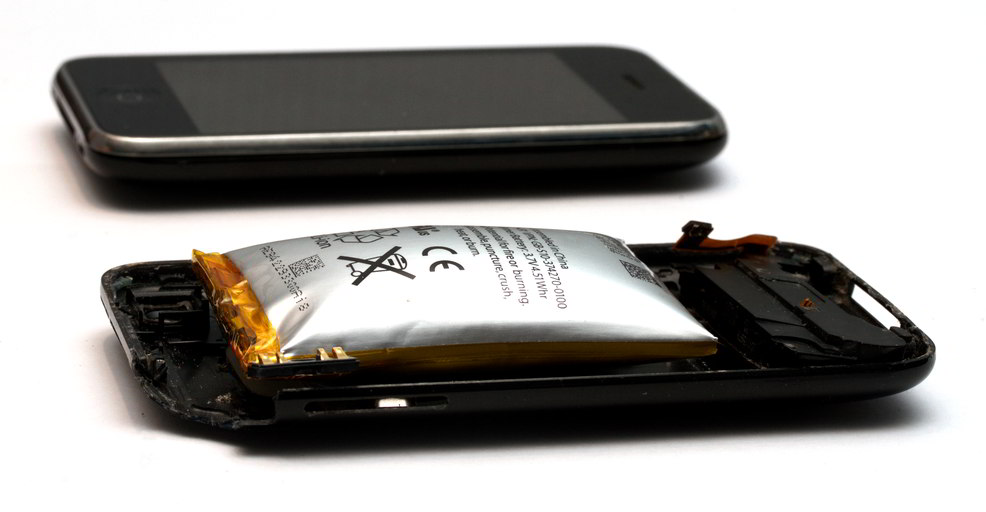
But charge too fast, or charge somewhere cold, and the ions can’t get into the graphite fast enough. So instead, metallic lithium starts depositing right on the surface of the anode. That’s lithium plating, and it’s not subtle.
It’s bad for two reasons. It permanently eats into your usable capacity, and in the worst cases, it can form tiny structures called dendrites which are an actual safety hazard, not just a performance issue.
This, by the way, is exactly why your phone slows its own charging speed when it’s cold outside. It’s not being overly cautious. It’s actively preventing plating from happening in real time.
So Back to That Old Phone in My Drawer
Putting it all together, here’s what was actually happening to it:
SEI growth never really stops, it just slows down at rest. Parasitic reactions scale with time and voltage, not with how often you pick the phone up. And because I’d left it at 100% before tucking it away, I’d basically set up the worst-case conditions for all of the above to run unchecked for two years.
A phone sitting in a drawer isn’t frozen in time. It’s aging the same way an open bottle of wine does slowly oxidizing away, whether anyone’s paying attention or not.
What I Actually Do Now
I stopped trusting the folklore and started following what the chemistry actually says.
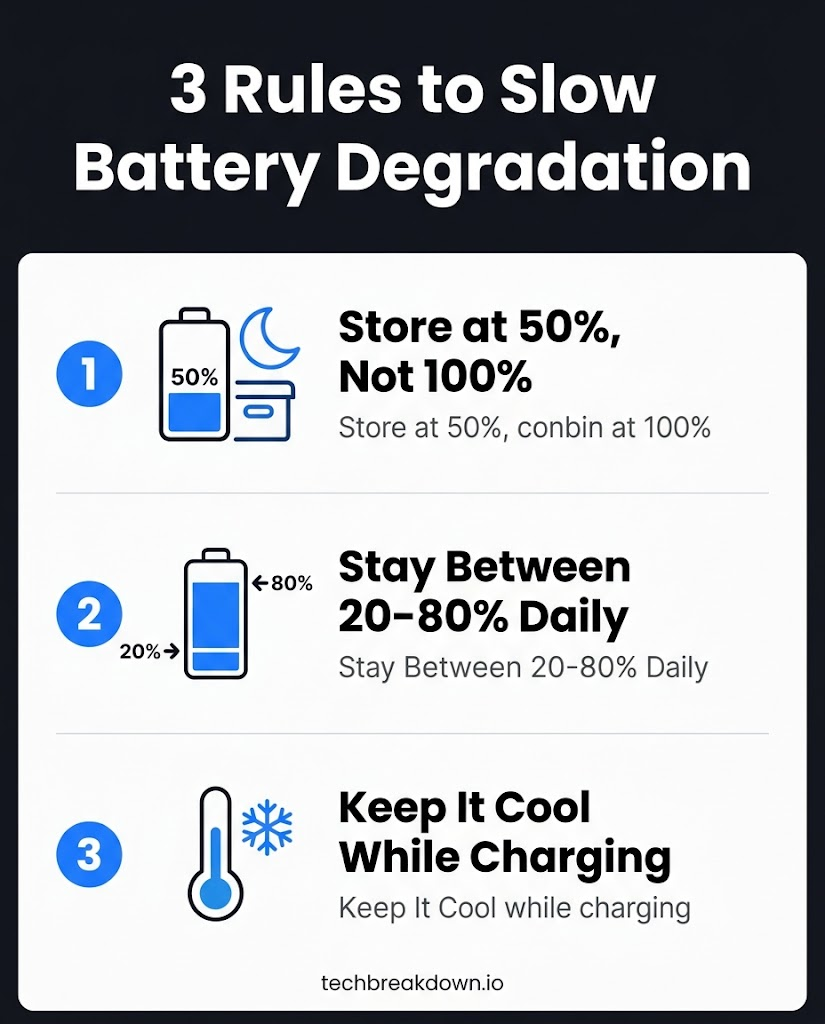
Don’t store a phone at 100% for long stretches. If it’s going into a drawer for a while, an old device, backup phone, whatever, charge it to around 50% first, not full.
Stop chasing 100% and 0% daily too. Living somewhere in the 20–80% range isn’t a superstition, it’s just avoiding the two zones where degradation speeds up the most.
Keep it cool, especially while it’s charging. Heat multiplies every mechanism we just walked through. A phone charging face-down under a pillow is aging faster than one sitting out in the open.
It was never going to last forever. But at least now I know it wasn’t usage that quietly wrecked that old phone, it was voltage and time, doing their thing whether I was watching or not.